

As a licensed and board-certified couples and family psychologist, Dr. Ann C. Eckardt helps couples tackle common issues that arise in marriage
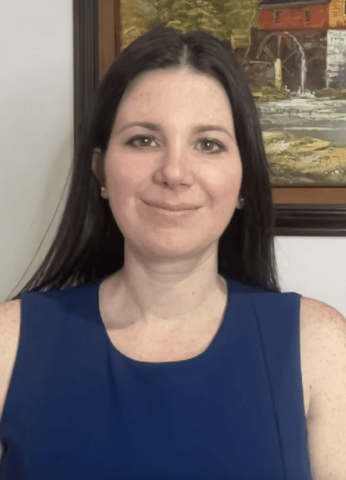
Image courtesy of Dr. Ann C. Eckardt
Ask any bride of Long Island and she’ll tell you where her stressors lie — in missing RSVPs, groomsmen that miss their tux fittings, florists that won’t respond to emails, and tricky first dance choreography.
Getting wrapped up in all the details of a wedding is easy. It’s one of the most important (and most expensive) days in our lives, after all! But what we often forget is what comes after the big day: a marriage.
Like most major events, marriage doesn’t come with a user’s manual. “You get a license that gives you permission to get married, but we’re not given the tools for how we can do this well,” says Dr. Ann C. Eckardt, a licensed psychologist and BOLI Preferred Vendor. That’s why she’s chosen to work with couples on fostering happy, healthy marriages that last long after the wedding day is over.
“Why not make marriage as strong as we can?” – Dr. Ann C. Eckardt
After finishing her doctorate in 2009, Annie decided to specialize in couple and family psychology. “I think it’s great when an individual seeks treatment for challenges that they’re having, or things that they want to improve,” she says. “But when you can include the important people in your system during therapy? It really maximizes the benefits.”
“Professionally, I knew I wanted to help people navigate one of the most important relationships they’ll have in their lifetime,” she continues. “Why not make marriage as strong as we can?”
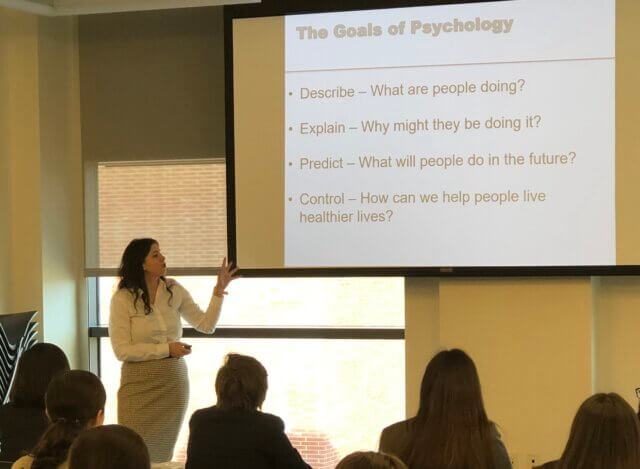
Image courtesy of Dr. Ann C. Eckardt
“This is part of the planning.” – Dr. Ann C. Eckardt
We see our doctors and dentists each year for check-ups, even when there are no pressing concerns. Annie believes the same mentally should apply to pre-marital counseling.
“I like to say, ‘You don’t know what you don’t know,’” she explained. “This is the best time to be figuring things out, together, before any issues beneath the surface become too big, too challenging, and too messy to deal with. You do all of this planning before the wedding, and to me, this is part of the planning.”
Annie typically structures her first session with 20 minutes of meeting separately and then spends the final 20 minutes together to review potential goals, strategies, and timelines.
“I often give couples an inventory, and we go through some of the typical challenges that come up for people about to get married,” she explains. “Some issues we don’t need to address – if you’ve been living together for two years, you’ve probably figured out how to split the bills. But what happens when your future spouse works in the city and you want to live close to your family in Manorville? What happens when there’s a boundary issue around your mother-in-law?”
“It would be a fool’s errand for me to pretend I’m the expert on every couple I meet; they’re the experts on themselves,” she says, “but I am an expert in the research-based skills that work for improving communication, satisfaction, and the qualities that couples want to establish.”
“The magic happens outside of the time with me.” – Dr. Ann C. Eckardt
Ultimately, Annie works with couples in a way that’s collaborative, time-sensitive, and clear. “I always joke with my couples that I don’t want to see us through retirement together,” she says. “The goal is that you leave every session with a task before our next session, whether it’s having a conversation using the tools we discussed, giving feedback on a skill they tried, or tracking some of the issues so we have specific examples to work on .”
For some couples, therapy is a targeted six-month plan around a specific issue, and for others, it’s a longer timeline depending on the goals. Once the initial therapy ends, many couples return for “booster” sessions when pivotal moments happen later in the relationship:like pregnancy, loss, or any of the other challenges life brings.
But no matter the frequency, Annie stresses that “the magic happens outside of the time with me. I’m not doing my job well unless you can do these things independently.”
Image courtesy of Dr. Ann C. Eckardt
“How can you make this feel like you’re enjoying the journey and not the destination?” – Dr. Ann C. Eckardt
Annie’s biggest piece of advice is to treat your wedding day as a wonderful milestone, but to remember that it’s a start to something much bigger.
“You have, arguably, the rest of your life to be doing this well. Make sure you don’t lose sight of that. The wedding isn’t the end; it’s the beginning. And that’s when the hard work begins.”
“Weddings are joyful, but also stressful. Unfortunately, the stress won’t end once the day itself is over,” she adds. “So how can you make this feel like you’re enjoying the journey and not just the destination?”
Learn more about Dr. Ann C. Eckardt here.